

Wadeema Law in UAE: Child Protection Rights & Penalties
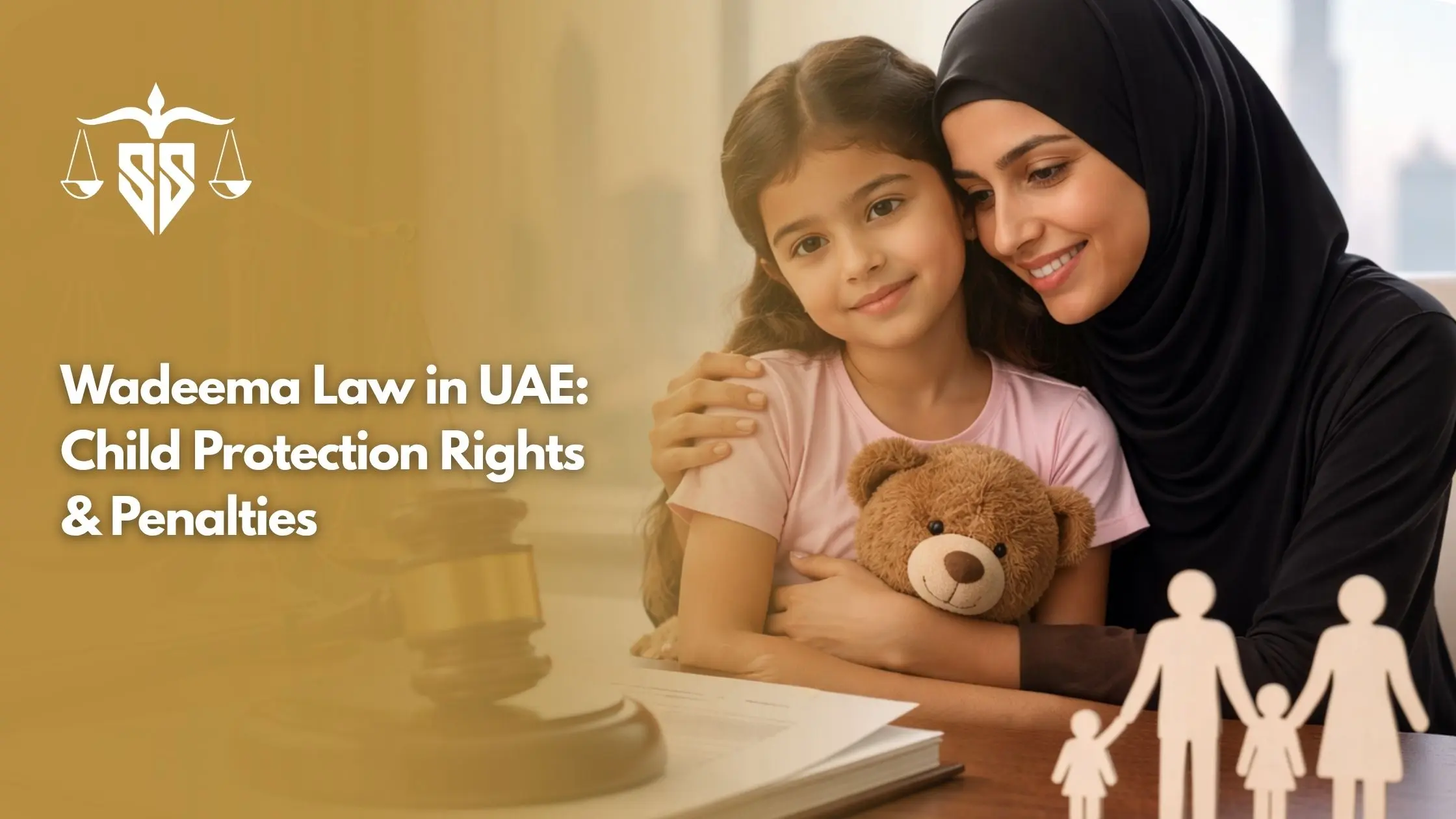
In 2012, an eight-year-old girl named Wadeema was brutally abused and died in the United Arab Emirates. Her tragic case shocked the nation and exposed critical gaps in how the country was protecting its most vulnerable citizens. That tragedy became a catalyst for change. In response, the UAE government introduced comprehensive legislation specifically designed to prevent such horrors from happening again. Today, Wadeema Law stands as the foundation of child protection across the entire country. If you’re a parent, educator, healthcare professional, or business owner in the UAE, understanding this law is not optional—it’s essential.
What Is Wadeema Law and Why Does It Matter?
Understanding Wadeema Law
Wadeema Law is the UAE’s foundational statute on child protection. Named after the child whose death prompted its creation, this law applies to every single child living in the United Arab Emirates, regardless of whether they are UAE citizens or expatriates. It covers children from birth until they reach eighteen years of age.
History and Development
The law emerged from a decisive policy shift following the tragic 2012 incident. The UAE leadership recognized that existing protections were insufficient and initiated an extensive legislative review. This resulted in a comprehensive, detailed statute with seventy-one articles designed to address every aspect of child protection—from healthcare and education to protection from abuse, exploitation, and neglect.
2024 Amendments
In March 2024, the law was further strengthened through Federal Decree-Law No. 33 of 2024, which enhanced penalties for digital exploitation and increased institutional accountability for organizations that fail to report suspected abuse.
Why This Matters to You
Because Wadeema’s Law directly affects how you interact with children, whether you’re responsible for them or simply a member of the community. The law imposes legal obligations on teachers, doctors, parents, guardians, and yes, even neighbors who witness potential abuse. It’s not just legislation—it’s a cultural shift toward collective responsibility for child safety.
The Seven Core Rights Protected by Wadeema Law
Right to Life, Survival, and Development
Article 2 of Wadeema Law establishes that every child has an inherent right to life and the opportunity to develop physically, mentally, emotionally, and socially. This means the state and all caregivers must ensure children have access to the conditions necessary for healthy growth.
Right to Identity and Civil Registration
Article 11 protects a child’s right to have their name, nationality, and identity officially recognized. Children cannot be denied these fundamental civil rights, and their identity cannot be unlawfully disclosed.
Right to Education
Article 31 makes education a legal right for every child. Parents and guardians must enroll children in school and ensure regular attendance. The UAE government supports this right through public education opportunities available to all children.
Right to Health and Medical Care
Articles 18 through 21 establish that children have the right to access healthcare services, vaccinations, proper nutrition, and medical attention. Healthcare is treated as a fundamental right, not a privilege.
Right to Privacy and Freedom from Harmful Labor
Article 26 protects children’s identities and privacy. It strictly prohibits child labor, child trafficking, and any form of economic exploitation. A child’s photograph or name cannot be disclosed without parental consent.
Right to Protection from Abuse
Articles 33 through 38 provide the most critical protections. These articles explicitly prohibit all forms of physical, psychological, and sexual abuse. They also protect children from neglect, exploitation, and any treatment that could harm their dignity or development.
الحق في الاستماع
Article 41 acknowledges that children have the right to express themselves and participate in decisions that affect them, in ways that are age-appropriate and respectful.
What Constitutes Child Abuse Under UAE Law?
Types of Abuse Recognized
Wadeema Law takes a broad approach to defining abuse. The law recognizes that harm to children takes many forms, and all of them are serious.
Physical Abuse includes hitting, shaking, burning, or causing any bodily injury to a child. It also covers corporal punishment that results in harm.
Psychological Abuse involves persistent criticism, humiliation, threats, rejection, or other emotional mistreatment that damages a child’s mental health and sense of security.
Sexual Abuse encompasses any sexual act involving a child, exposure to inappropriate sexual content, and the production or possession of child pornography.
Neglect occurs when caregivers fail to provide basic necessities—food, shelter, medical care, education, or supervision. Neglect can be either deliberate or the result of serious negligence.
Exploitation happens when children are forced into labor, trafficked, used in pornography, or coerced into begging or criminal activity.
Exposure to Harm includes situations where children are left unattended in dangerous environments, exposed to drugs or alcohol, or witnessing domestic violence.
Failure to Protect is Also a Crime
Importantly, under Article 34, failure to protect a child from known harm is itself a criminal offense. If you know a child is being abused and you do nothing, you can face legal consequences.
Penalties for Violating Child Rights
Understanding the Penalty Structure
The UAE takes violations of Wadeema Law seriously. The penalties are severe, reflecting the gravity with which the country views child protection.
Child Abuse or Cruelty
- Imprisonment: Up to 10 years
- Fine: Up to AED 1 million
- Additional: Loss of custody rights
Child Trafficking
- Imprisonment: 10 to 15 years
- Fine: AED 1 to 2 million
- Additional: Deportation for expatriates
Child Pornography
- Imprisonment: Minimum 10 years
- Fine: AED 500,000 or more
- Additional: Permanent monitoring
Failure to Report Known Abuse
- Imprisonment: Up to 1 year
- Fine: AED 5,000 to 10,000
- Additional: License suspension for professionals
Abandonment or Severe Neglect
- Imprisonment: Up to 3 years
- Fine: AED 50,000 or more
- Additional: Removal of child from custody
Smoking Near a Child
- Imprisonment: 1 month to 1 year
- Fine: AED 5,000 or more
Selling Tobacco or Alcohol to Minors
- Imprisonment: Up to 1 year
- Fine: AED 5,000 or more
- Additional: License revocation
Publishing Harmful Content to Children
- Fine: AED 100,000 to 400,000
- Additional: License revocation
Recent Amendments Strengthen Enforcement
The 2024 amendments strengthened these penalties further, particularly for digital exploitation and institutional failures to report.
Your Legal Obligation to Report Child Abuse
Who Must Report
Under Article 42 of Wadeema Law, every single person living in the UAE is legally obligated to report suspected child abuse. This includes:
- Parents and guardians
- Teachers and school administrators
- Healthcare professionals and physicians
- Social workers and counselors
- Childcare providers
- Law enforcement
- Private citizens who witness potential abuse
If you suspect a child is being harmed, you are legally required to report it. The law is unambiguous on this point.
How Do You Report Suspected Child Abuse?
Reporting Process
The process is straightforward. The UAE Ministry of Interior operates a dedicated Child Protection hotline at 116111. You can call this number twenty-four hours a day, seven days a week, to report suspected abuse. You can also contact emergency services at 999.
Timeline for Reporting
The law requires that reports of suspected abuse be made within twenty-four hours of discovery. This creates a sense of urgency while giving people a full day to organize their concerns and contact authorities.
Your Protection as a Reporter
Your identity will be kept confidential. The law specifically protects reporters from retaliation or social consequences for making a report in good faith. You won’t face legal action for reporting suspected abuse, even if your suspicion later proves unfounded, as long as you acted reasonably.
Institutional Reporting
Schools, hospitals, workplaces, and other institutions must establish internal reporting mechanisms and designate child protection officers. These officers are responsible for coordinating reports to authorities and ensuring compliance with the law.
Institutional Compliance Requirements
School Requirements
Schools must have a written child protection policy aligned with the law. You need to:
- Designate a child protection officer
- Provide annual training to staff
- Establish a twenty-four-hour internal reporting mechanism
- Coordinate with authorities when abuse is suspected
Teachers are the eyes and ears in daily contact with students—suspected abuse must be reported within twenty-four hours.
Healthcare Institution Obligations
Healthcare institutions must ensure that medical professionals are trained to identify signs of abuse and report suspicious injuries. Failure to report known or suspected abuse can result in professional sanctions for the physician or healthcare worker.
Workplace Responsibilities
Workplaces must maintain a safe environment free from child labor and exploitation. Larger organizations should provide training to HR and management staff on their obligations under the law.
Consequences of Non-Compliance
Non-compliance with these requirements can result in fines, license suspension, or even closure of the facility.
When Should You Seek Legal Help?
Situations Requiring Legal Assistance
There are several situations where consulting with a lawyer who specializes in child protection and family law is wise.
Understanding Your Obligations If you’re unsure about your obligations as a parent, guardian, or professional, a lawyer can clarify your responsibilities.
Navigating the Reporting Process If you need help navigating the reporting process, a lawyer can guide you through each step and ensure you’re following the correct procedures.
Custody Disputes If you’re involved in a custody dispute, a family law attorney can ensure that the child’s best interests are protected under Wadeema Law.
Institutional Compliance If your institution needs to draft or update a child protection policy, legal professionals can review it for compliance.
Legal Defense If you’ve been accused of violating the law, you have the right to legal representation, and an experienced criminal defense attorney can protect your rights throughout the investigation and prosecution.
How 2S Lawyers Can Help
At 2S Lawyers in Sharjah, our team of experienced child protection specialists understands the complexities of Wadeema Law. We help families navigate custody arrangements, guide institutions in achieving compliance, and represent individuals facing allegations. Whether you need advice on your obligations or representation in a matter involving child protection, we’re here to help.
Taking Action on Child Protection
Your Role in Protecting Children
Wadeema Law represents a fundamental commitment by the UAE to protecting its children. That commitment only works when every person in the community takes their obligations seriously. Whether you’re a parent protecting your own child, a teacher watching for warning signs, a healthcare provider identifying injuries, or simply a concerned community member, you play a role in keeping children safe.
Getting Help When You Need It
If you have concerns about a child’s safety, don’t hesitate to report. Call 116111. If you need guidance on your obligations or legal assistance, reach out to 2S Lawyers. Our Sharjah-based team specializes in family law and child protection matters. We’re here to help you understand your rights, fulfill your responsibilities, and protect the children in our community.
تواصل معنا 2S Lawyers today to speak with our child protection specialists. Your situation is important to us, and we’re committed to protecting the rights and safety of children.
Frequently Asked Questions About Wadeema Law
What age does Wadeema Law protect?
Wadeema’s Law applies to all children under eighteen years of age. Age is the only criterion—nationality, citizenship status, religion, and socioeconomic background make no difference.
Does Wadeema Law apply to expatriate children?
Yes, absolutely. Both citizen children and children of expatriate residents have equal protection under the law. The statute specifically states that protection extends to all children in the UAE regardless of their background.
What’s the difference between child abuse and neglect?
Abuse typically involves intentional harm—hitting, psychological mistreatment, sexual acts. Neglect occurs when a caregiver fails to provide basic necessities like food, shelter, education, or supervision. Both are serious violations, and both are criminalized under Wadeema Law.
Can I report child abuse anonymously?
Yes. When you call the child protection hotline at 116111, you can make an anonymous report. Your identity will be protected, and you won’t face retaliation for reporting suspected abuse.
What happens to a child after abuse is reported?
When authorities receive a report, they investigate the matter. If abuse is confirmed, the child may be removed from the dangerous situation and placed in a safe environment. The child receives psychological support and counseling. Legal proceedings may be initiated against the abuser. The goal is always to ensure the child’s safety and facilitate recovery.
Are homeschooled children protected by Wadeema’s Law?
Yes. The law covers all children in the UAE regardless of where or how they receive education. Homeschooling doesn’t exempt families from the law’s protections or requirements.
What changed in the 2024 amendments to Wadeema Law?
Federal Decree-Law No. 33 of 2024 strengthened protections for digital exploitation, increased penalties for institutions that fail to report, and clarified medical professional reporting obligations. The amendments reflect growing concerns about online abuse and ensure stronger institutional accountability.
 Arabic
  English